The Guide to Understanding Caviar

To fully enjoy caviar, first you must understand what true caviar is. Caviar comes in so many varieties and tastes, some prefer the more briny, others the buttery with a clean finish. Once you comprehend the different species of sturgeon, you can decide what your palate prefers.

What is caviar?

Caviar is the salt-cured roe of sturgeon from the Acipenseridae family. "Roe" is the general term for fish eggs; caviar refers to the prepared eggs of sturgeon. Caviar can be unpasteurised or pasteurised. Pasteurisation extends shelf life but can alter the fine nuances of flavour and texture.

Caviar has long been associated with the Caspian and Black Seas, and with names such as Beluga, Ossetra and Sevruga. Today, sturgeon caviar also comes from other parts of the world, including China and Uruguay.

Within our collection we distinguish between type and grade. The type tells you which sturgeon, or cross of sturgeons, the roe comes from. The grade describes how a specific batch is judged, on pearl, texture, aroma and flavour, among others.

Our collection includes, among others:

  • Kaluga: a hybrid of Huso dauricus and Acipenser schrenckii.
  • Kaluga Special Reserve: from the pure Huso dauricus.
  • Ossetra: from Acipenser gueldenstaedtii.
  • Beluga: from Huso huso.
  • Sevruga: from Acipenser stellatus.
  • Siberian: from Acipenser baerii.

So the same sturgeon species can yield different flavour profiles and grades. Each batch is judged on its own merits.
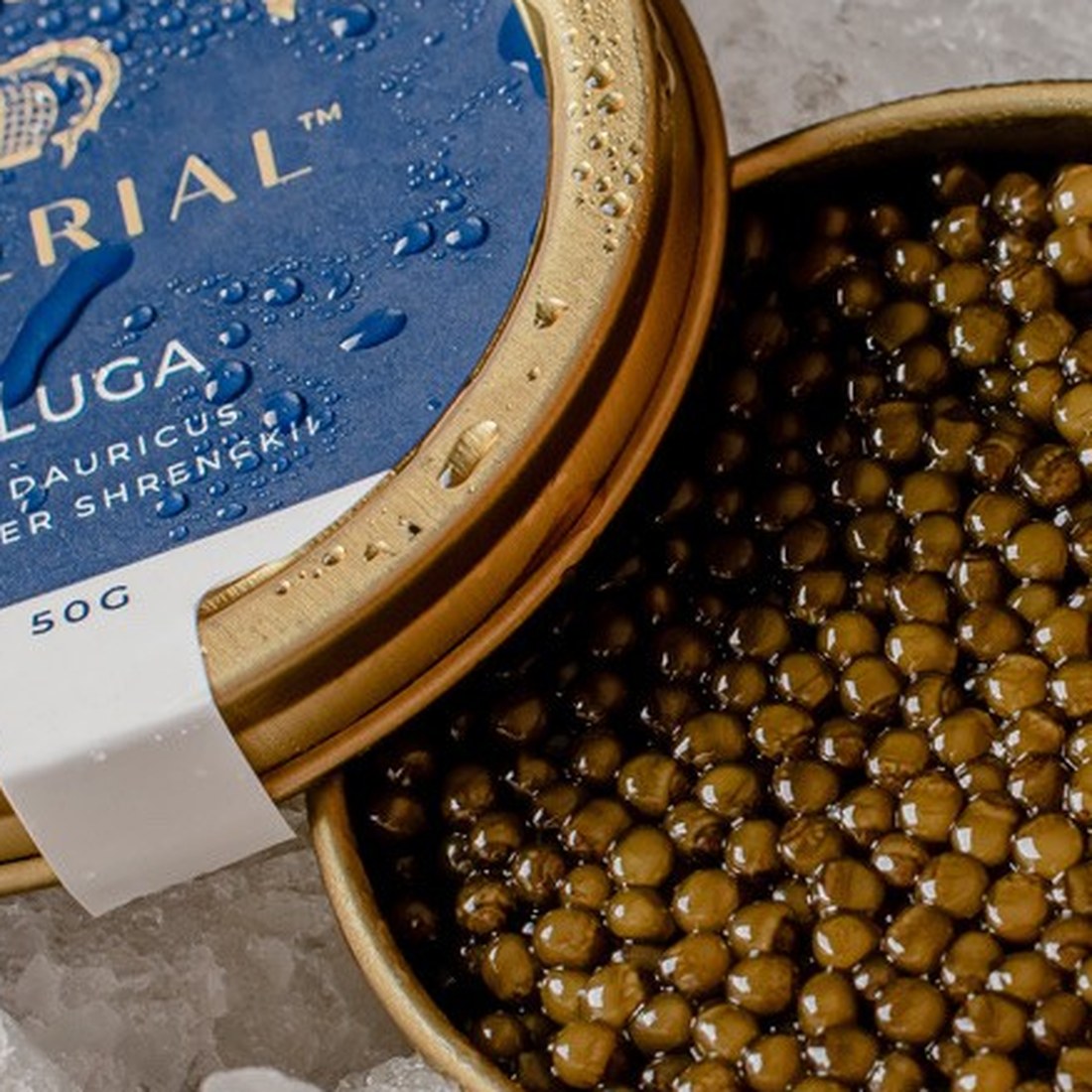
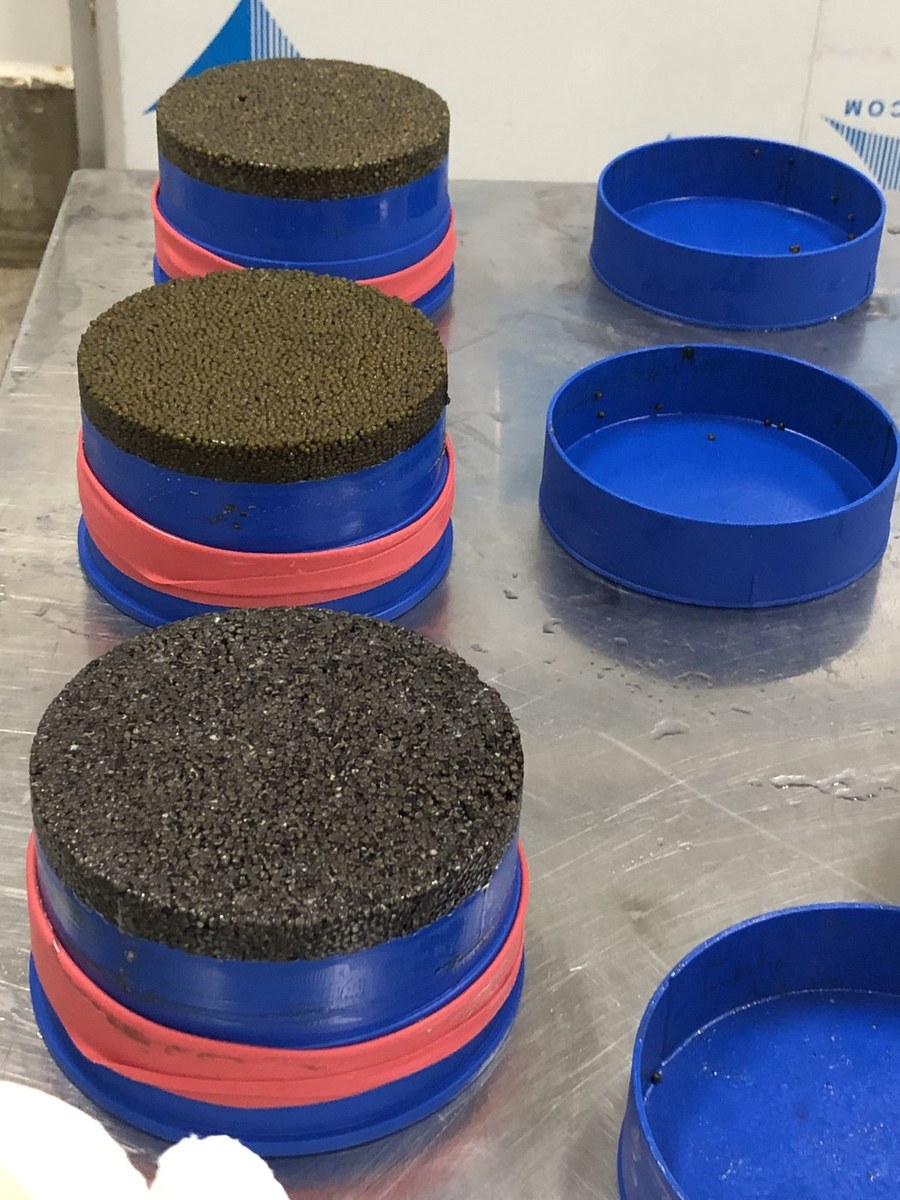
Caviar pearls, close

What are Caviar Grades?

Caviar comes in several grades, referring to its quality. At Kaluga Imperial we measure quality across four primary criteria, with a further nuance factored in.

Size

The size of each bead impacts everything from the texture in the mouth, the "pop", to the finish. Larger beads hold more fluid, and are generally preferred. But size is only one aspect; bigger isn't always better.

Texture

The firmness and resultant "pop". Summer caviar tends to have less pop due to warmer waters; winter caviar carries a firmer pop from the cold. Connoisseurs often insist on a strong pop, but in the end it is all about the flavour and how long the finish lingers.

Flavour

Every sturgeon is different, a natural product, impossible to recreate identically. Nutty, creamy, briny, salty, buttery; a trained palate may detect vanilla, minerals, moss, even the earth of the water. We use only non-GMO feed and naturally occurring elements. The truly exceptional we grade as "Special Reserve".

Finish

Caviar leaves both a flavoured finish on the tongue and a fizzy perfume around the mouth and nose. Smoother, longer finishes, "velvety", "lingering", are the marks of quality. Some caviars finish light and clean; others coat the palate more prominently.

Caviar grades, colour and texture

What about colour?

While many houses insist colour is decisive, we believe all colours can be exceptional, it depends in the end on the overall taste. The one exception is our extremely rare golden caviar (Almas). From experience, a black, grey, amber or otherwise coloured variation can each be exceptional.

How does Kaluga Imperial grade caviar?

Grading is a complex, time-consuming process we take most seriously. Caviar must mature, and assessing it throughout maturation determines not only the grade but the ideal moment for serving. Because of the nuances across grades, types and even individual fish, we assess each individual batch to assign its grade.

We do not grade on a relative scale by type, not all types are available in all grades. We do not simply take the best Kaluga and call it Special Reserve. If no Kaluga or Ossetra rises to that rank, we do not offer it. Every caviar sold in our Kaluga Imperial tins is of the highest quality within its specific grade and type.

The Collection

Our Eight Selections

Ossetra

A firm pearl, refined nutty notes and a balanced flavour.
Acipenser gueldenstaedtii

Ossetra Gold

Golden and silken, with buttery notes and an exceptionally long finish.
Acipenser gueldenstaedtii

Siberian

A modern, pure expression with a clear and precise flavour profile.
Acipenser baerii

Kaluga

Nutty and buttery, with a subtle floral touch.
Huso dauricus × Acipenser schrenckii

Kaluga Special Reserve

Deep and complex, with rich buttery and nutty notes.
Huso dauricus

Beluga

Striking in appearance, creamy and delicate, with an opulent flavour and exceptionally long finish.
Huso huso

Sevruga

Fine-grained and lively, with a fresh, pronounced briny flavour.
Acipenser stellatus

Wild Salmon

Bright salmon roe with a lively texture and a fresh taste of the sea.

See the full collection and sizes →
Storage & Service

The 30-Second Protocol

Warmth and air are the enemies. Cold and speed preserve greatness.

Storage

Keep refrigerated at 0 to 4°C, in the coldest part of the fridge (not the door). Keep tins flat and undisturbed. Open only when ready to serve.

Before Service

Chill the serving bowl and spoons. Create a stable ice bed (ice with a little water). Keep the tin cold throughout service.

Serving

Use mother-of-pearl, horn, glass or gold spoons, avoid reactive metals, which distort taste. Serve clean and minimal: blini and crème fraîche, or on warm potato or scrambled egg.

Rule of Thumb

Keep everything cold and serve quickly.

The Language of Caviar

A Short Glossary

Pearls

The individual eggs, judged by size, uniformity and sheen.

Pop

The moment the pearl releases, a sign of membrane strength and proper handling.

Texture Tension

The balance between firmness and tenderness. Too soft, mishandled; too hard, under-matured.

Aromatic Clarity

Clean scent and flavour, without fishiness or muddy notes.

Finish

How long the flavour lingers after swallowing. Great caviar lingers.

Maturation

Controlled resting after salting that refines texture and deepens complexity.

Malossol

"Lightly salted." Not a guarantee of quality, quality is judged by balance, not the word.

Provenance

Water, feed and environment, the invisible drivers of taste.